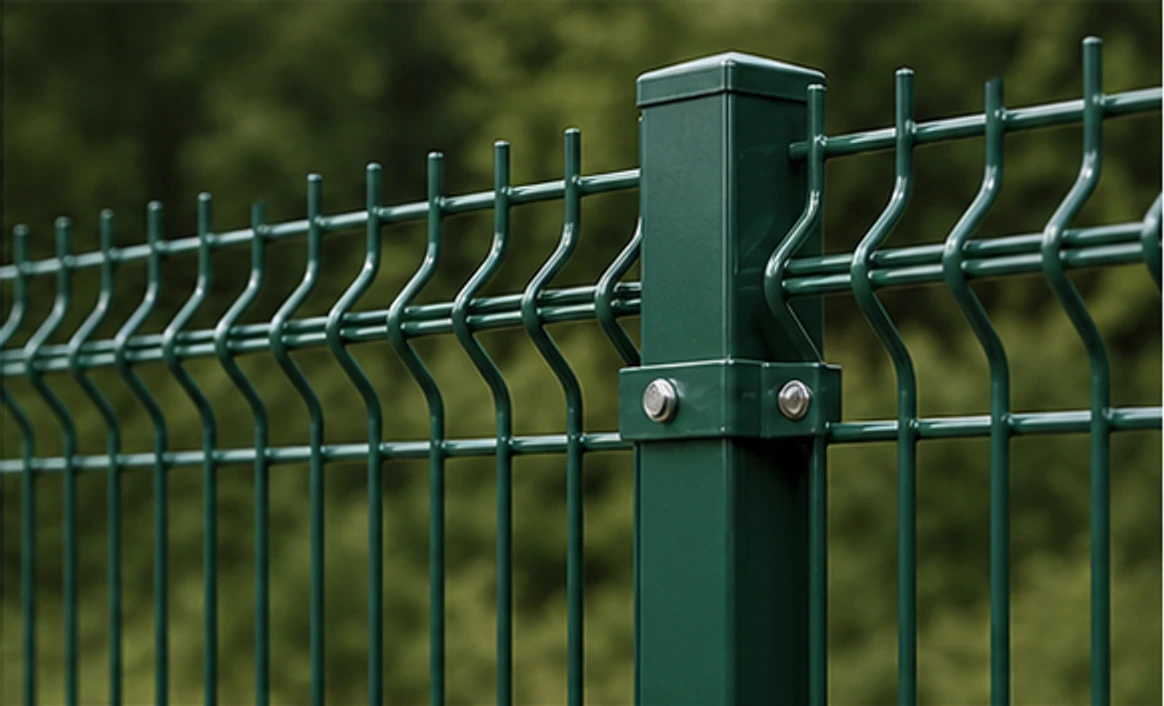
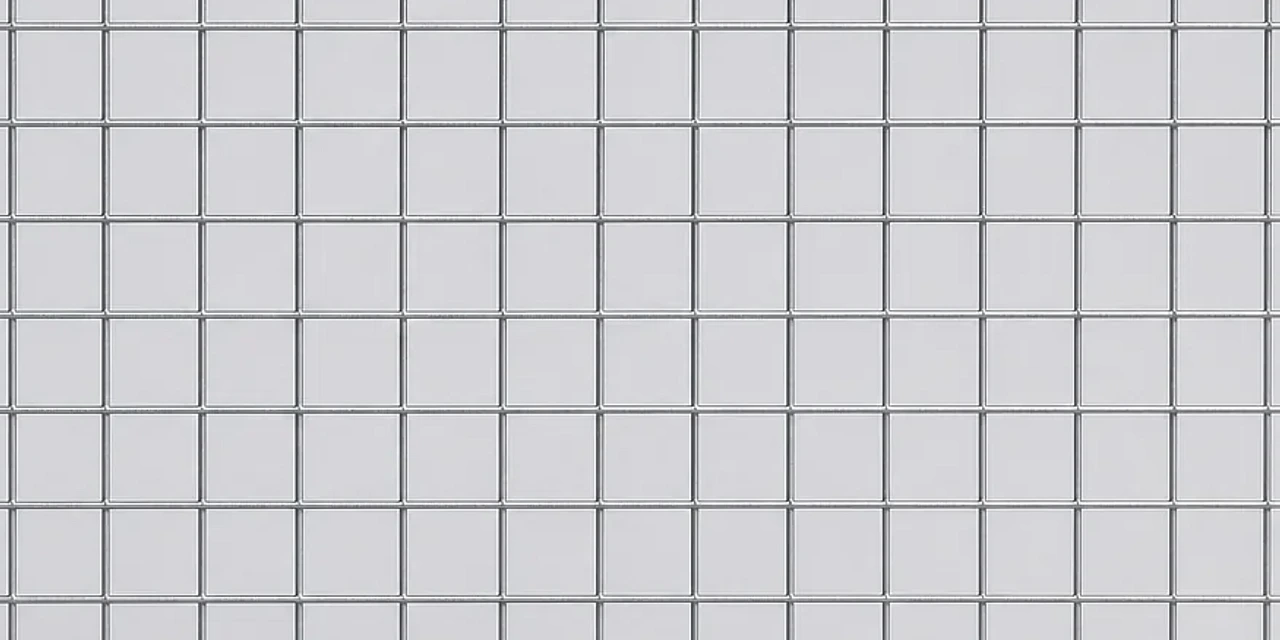
Answer: Choose welded mesh by load, enclosure function, fabrication method and cost—not by opening or wire diameter alone.
Answer: Check hole spacing, remaining strips and attachment zones alongside open area when specifying a perforated panel.
Answer: Set hole locations around the actual bend geometry and forming process, then verify the finished panel with a representative sample.
Answer: Mark slot orientation on drawings and packaging to coordinate appearance, drainage, support and the intended equipment layout.
Answer: Specify the visible face, contact face and required edge finish so orientation remains clear through coating and installation.
Answer: Map each perforated zone against supports, interfaces and sealed areas instead of applying one hole pattern across the whole panel.
Answer: Coordinate the developed blank, hole direction, seam and finished roundness around the cylinder's actual mating parts.
Answer: Review thickness, hole density, solid borders and the final mounting condition when specifying thin perforated panels.